
John Williams is an incredibly talented composer who has created some of the most recognisable film scores and earned a slew of awards including Oscars, Emmys, Grammys, BAFTAs and Golden Globes. When you hear his music you know exactly which movies they belong to.
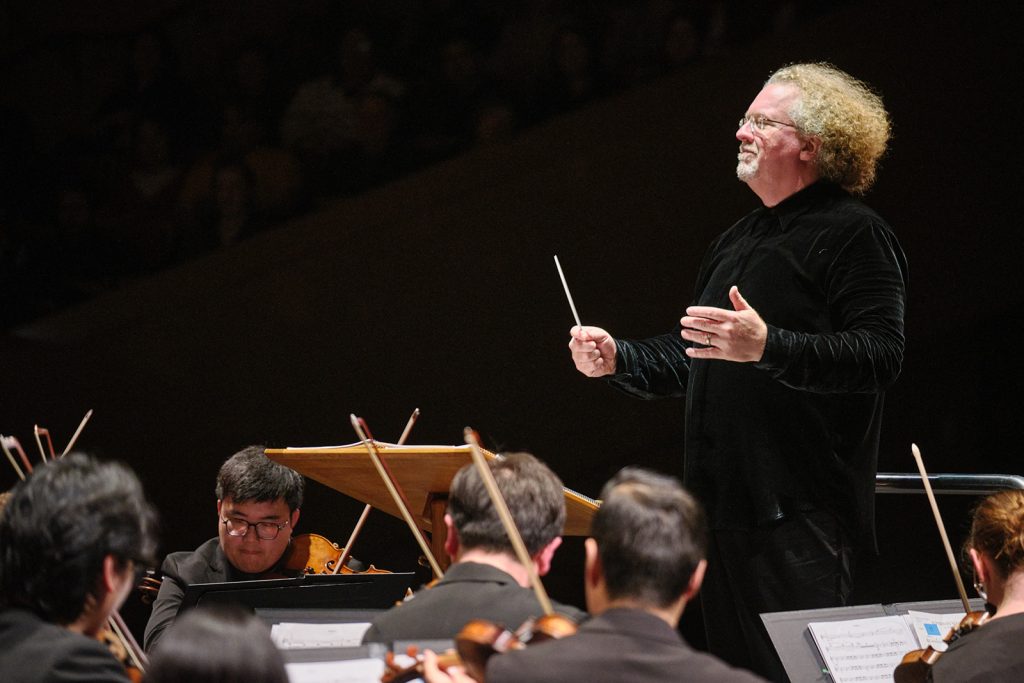
To honour this remarkable talent Auckland Philharmonia presented two concerts on the 28th and 29th August 2026 in the Kiri Te Kanawa Theatre called JB Were Presents: The Magic of John Williams and conducted by the composers long-time friend and sometimes collaborator Stéphane Denève.
He was a charming man with a sense of humour whose movements mirrored those of the orchestra as they played. He clearly adored music and delighted in sharing it with the audience while also sharing simple, endearing anecdotes about Williams and his process.
The concert began with Sound the Bells which was a clarion call written by Williams for a tour of Japan by the Boston Pops in 1993. While it has never been in a movie, it was an exhilarating start to a wondrous evening.
Fantasy, magic and adventure dominated the first half of the concert which began with a sweeping and exciting movement from the movie Hook called Flight to Neverland which gave me a very vivid sense of flying and childlike wonder.
From the Harry Potter movies came three pieces: Harry Meets Fawkes; Nimbus 2000; and Harry’s Wondrous World. These pieces were so memorable and provided an unmistakable connection to the movies. Listening to these deeply emotional and resonant pieces of music I couldn’t help but imagine the iconic images of Hogwarts, Quidditch matches and so many magical moments from the story.
The orchestra only had to play one note, at Denève’s request, for us to know which film was next and it was one that scared the hell out of me when I was a teenager – Jaws!
The visuals in that movie were bad enough, but that haunting two-note ostinato as the shark attacked its victims is still instantly recognisable and perhaps the most frightening theme in movie history. What followed was a piece from the movie called Out to Sea which was a sweet bubbly and somewhat innocent part of the soundtrack, which as it concludes, seems to convey an unsettling hint of something evil on its way.
Other monsters were next and this time they were the huge dinosaurs of Jurassic Park. Another blockbuster movie with a theme paying monumental and soaring homage to the power and magnificence of those long-dead titans.
Williams of course composed music for many dramas and more sedate films and next up was the poignant and achingly emotional theme from Schindler’s List featuring a stunning violin solo by Max Tan. I suspect that there wasn’t a dry eye in the house after that haunting performance.
It was back to adventure after this with the triumphant and insistent theme from the Indiana Jones film Raiders of the Lost Ark. As this famous fanfare began I’m sure the image of that giant rolling boulder chasing Indy through the tunnel popped into everyone’s minds.
The second half of the concert was all about space and kicked off with the theme from the 1978 Superman movie. This stirring theme with its trumpet fanfare is so associated with the Man of Steel the music almost seems to insist it is saying ‘Su-Per-Man’. Its later motifs also suggest the dangers posed by Lex Luthor and Superman’s romance with Lois Lane.
Somewhat discordant at first before coalescing into a harmonised and totally recognisable tune was the theme to Close Encounters of the Third Kind. Denève described it as containing clusters of notes that come together and eventually coalesce and change. It began with a feeling of foreboding and eventually delivered a sense of hope and understanding.
Continuing with the alien theme was Adventures on Earth, which was basically the final 15 minutes of the soundtrack to E.T. the Extraterrestrial. This incredibly memorable music covers the boys being chased by the police, E.T. making them fly over the forest and his eventual departure in his spaceship. Every moment, every note brought back floods of imagery and emotions from what is still an incredibly satisfying and emotional film.
The final pieces were all from Star Wars which, of course, is probably the most famous of all of Williams’ soundtracks. First was The Force Awakens theme, followed by music for Princess Leia and finally the main theme from the first film which begins with that sudden crashing blast of brass instruments. Full of energy and a hint of the battles to come this is a masterful piece of music and totally unforgettable.
An encore featuring that infamous Imperial March was performed with an added twist. Ever the showman and kind soul he is, Stéphane Denève invited a young boy on stage to guest conduct. It was a lovely touch and a perfect ending to the night.
This concert did more than showcase the genius of John Williams. It also proved that orchestral music is not only integral to the movies it is also one of the most vibrant and evocative art forms we have.
On two occasions during the evening the conductor gave strong praise and acknowledgement to Auckland Philharmonia for its skill and dedication. And I have to agree as this was a divine night of entertainment.
Photo credit – Thomas Hamill